
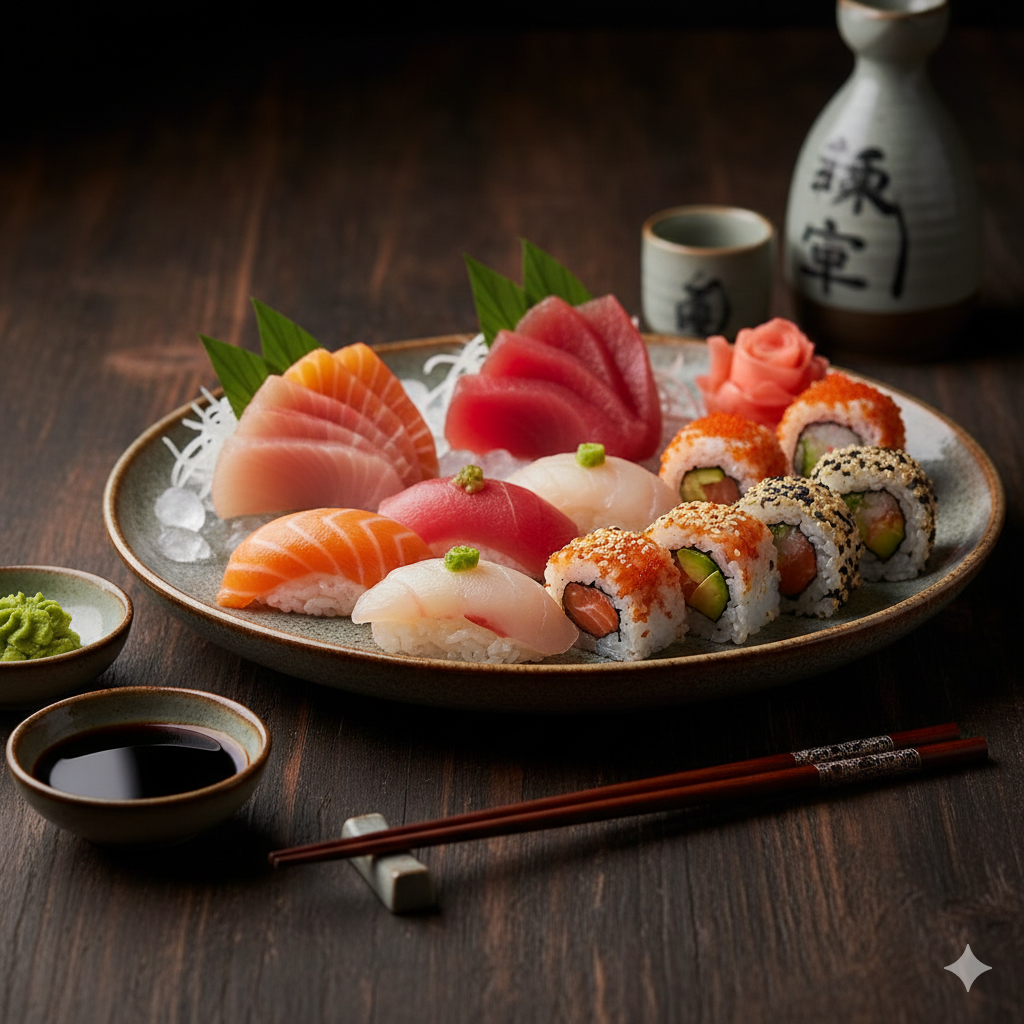
Japanese Sushi is one of the most famous and beloved dishes in the world. Known for its delicate flavors, fresh ingredients, and artistic presentation, sushi represents the elegance of Japanese cuisine. From simple nigiri to creative rolls, sushi is enjoyed globally for its light yet satisfying taste. This article explains how to prepare Japanese sushi at home and why it is loved internationally.
🌍 Why Japanese Sushi Is Popular Worldwide
Sushi is popular because it combines fresh ingredients with unique textures and flavors. The balance of vinegared rice, fresh seafood, and vegetables creates a harmonious taste. Sushi is also visually appealing, making it enjoyable for both the eyes and the palate.
Its light and healthy nature has made sushi a favorite among health-conscious food lovers worldwide.
🍣 What Makes Sushi Special?
Sushi is special because of its simplicity and attention to detail. Each piece is carefully prepared with perfectly seasoned rice and fresh toppings. The combination of flavors—sweet rice, savory fish, and crisp vegetables—is unmatched.
Sushi is both an art form and a meal, celebrated for its elegance and precision.
🥘 Ingredients Used in Japanese Sushi
Here are the main ingredients for traditional Japanese sushi:
- Sushi rice (short-grain rice)
- Rice vinegar
- Sugar and salt
- Fresh fish (salmon, tuna) or cooked seafood
- Nori seaweed sheets
- Vegetables (cucumber, avocado, carrot)
- Soy sauce
- Wasabi and pickled ginger
These ingredients are fresh, flavorful, and essential for authentic sushi.
👩🍳 How to Make Japanese Sushi at Home
Step 1: Prepare Sushi Rice
Cook short-grain rice and season it with rice vinegar, sugar, and salt. Let it cool slightly.
Step 2: Prepare the Fillings
Slice fish and vegetables into thin strips.
Step 3: Assemble the Sushi Rolls
Place a nori sheet on a bamboo mat, spread rice evenly, add fillings, and roll tightly.
Step 4: Slice the Rolls
Use a sharp knife to slice rolls into even pieces.
Step 5: Serve
Serve with soy sauce, wasabi, and pickled ginger.
🥗 Nutritional Benefits of Japanese Sushi
Sushi is a healthy meal option:
- Protein: Fish provides lean protein and omega-3 fatty acids
- Carbohydrates: Rice provides energy
- Vitamins and Minerals: Vegetables add nutrients
- Low in Fat: Healthy and light meal
Homemade sushi allows control over ingredients and freshness.
🌱 Variations of Japanese Sushi
Sushi comes in many varieties:
- Nigiri sushi (rice topped with fish)
- Maki sushi (rolled with nori and fillings)
- Temaki sushi (hand rolls)
- Vegetarian sushi
- Specialty fusion rolls
Each variation keeps sushi delicate, fresh, and flavorful.
🍽️ Best Time to Enjoy Japanese Sushi
Sushi is perfect for lunch, dinner, parties, and special occasions. It is often served as an appetizer, main course, or in tasting platters.
🔥 Tips for Perfect Japanese Sushi
- Use fresh, high-quality fish
- Keep rice slightly warm for easy rolling
- Slice rolls with a sharp, wet knife
- Serve immediately for best taste
🌟 Why Japanese Sushi Is Loved by All Ages
Sushi is loved worldwide because it is elegant, flavorful, and light. Children enjoy simple rolls, while adults appreciate delicate flavors and fresh ingredients. Its artistic presentation also adds to its global appeal.
✅ Conclusion
Japanese Sushi is a healthy, elegant, and globally loved dish. Easy to prepare at home with fresh ingredients, it represents Japanese culinary artistry. Adding sushi to your international food recipe blog gives readers a visually stunning, delicious, and nutritious meal option.








Leave a Reply